

Any selection and installation of intrinsically safe equipment should be done by qualified personnel.
Explosive atmospheres can be caused by flammable gases, mists or vapors or by combustible dusts. If there is enough of the substance, mixed with air, then all that is needed is a source of ignition to cause an explosion.
CLASS I: Flammable Gases or Vapors
CLASS II: Combustible Dusts
CLASS III: Ignitable Fibers or Flyings
DIVISION 1: Hazard exists under normal conditions.
DIVISION 2: Hazardous material is handled, processed or stored. Hazard is not normally present, but may be released due to accident or equipment malfunction.
Intrinsically safe scale calibration and service
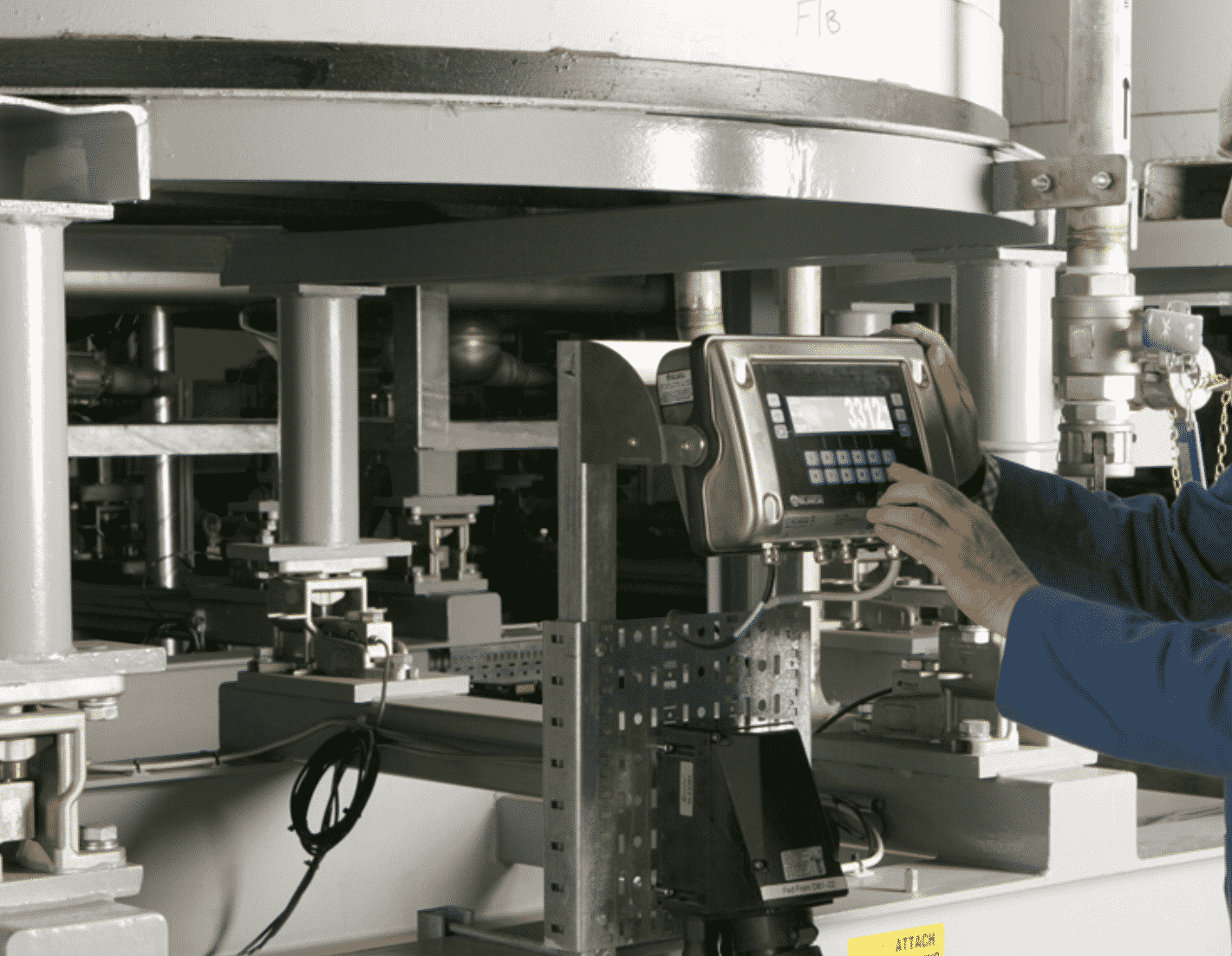
Weighing in a hazardous area means your scale has to be both accurate and rated for the environment it works in. Intrinsically safe scales are designed to prevent sparks or excess heat from igniting flammable gases, vapors, or dust, so keeping them properly calibrated and in good working condition matters for safety as well as accuracy.
What we check on an intrinsically safe scale
Our technicians test load cell accuracy and indicator calibration with certified test weights, and inspect enclosures, barriers, and wiring to confirm the system's safety rating hasn't been compromised by wear, damage, or an unapproved modification.
Hazardous area classifications
Intrinsically safe scales are typically rated for Class I or Class II, Division 1 or Division 2 hazardous locations, depending on the type and concentration of hazardous material present. We can help you confirm your scale's rating matches the classification of your area.
Industries we serve
We work with customers in oil and gas, chemical processing, grain handling, and other industries where hazardous area weighing is part of daily operations. Whatever your facility's classification, we can help keep your intrinsically safe scales calibrated and compliant.
Intrinsically safe scale calibration FAQs
How often should an intrinsically safe scale be calibrated?
Most intrinsically safe scales should be calibrated at least once or twice a year, though facilities with continuous use or strict compliance requirements may need more frequent service.
Does calibration affect my scale's hazardous area rating?
Proper calibration by trained technicians should not affect your scale's safety rating. We take care to keep enclosures and safety barriers intact throughout the service process.
Can an intrinsically safe scale be used for legal-for-trade weighing?
Some intrinsically safe scale configurations can be certified for legal-for-trade use; we can help you determine what's required for your specific setup and location.
Do you service intrinsically safe scales outside of Ohio?
Yes, our technicians travel to service intrinsically safe scales and related equipment across a wide service area beyond Ohio. Contact us with your location and we'll let you know how we can help.
OUR MOTTO: TAKE CARE OF THE CUSTOMER