

Precision
Balances aren't all created the same. Readability, repeatability, and tolerances all can add up to lost revenue. Make sure you understand what accuracy your application requires before choosing a balance.
Expertise
Selecting the proper balance for your application is extremely important. We have provided balance solutions to a variety of different types of customers across many verticals. Contact us today for a free consultation on what would work best for your application.
Connectivity
Do you need to connect disparate systems and share data from weighments? Many balances offer popular protocols for sharing data. Our Systems department can help engineer a data solution for your team.
What we do
We make sure to source only from highly reputable manufacturers. We stand behind what we sell. When you buy from Brechbuhler Scales, instead of an online retailer, we will make sure to set up the balance, test it, and go over everything you need to know prior to use. We find this gives our customers peace of mind in their investment.
Over time your balance will need maintenance. We offer several different types of preventative maintenance plans. All of our weights are NIST traceable to provide high accuracy.
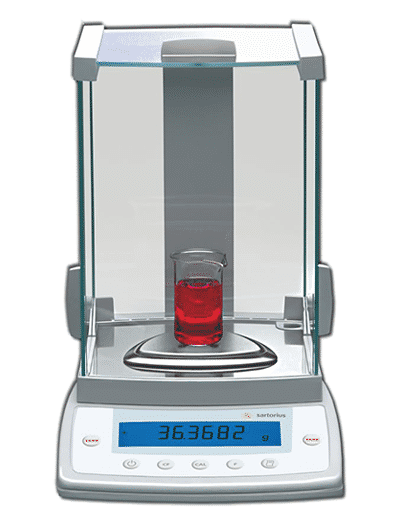
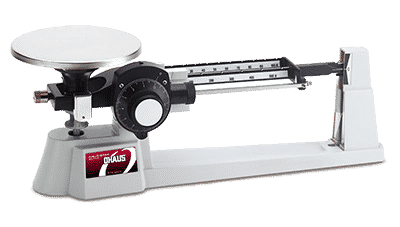
Mechanical Balances
Perfect economical or academic solution. The Ohaus mechanical balance IS the standard
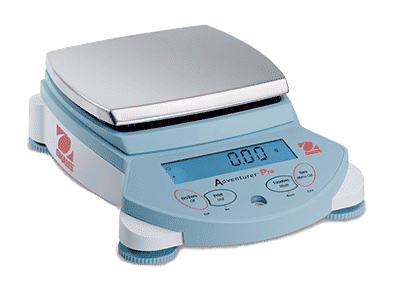
Precision Balances
Precision balances offer higher readability for a more precise measurement
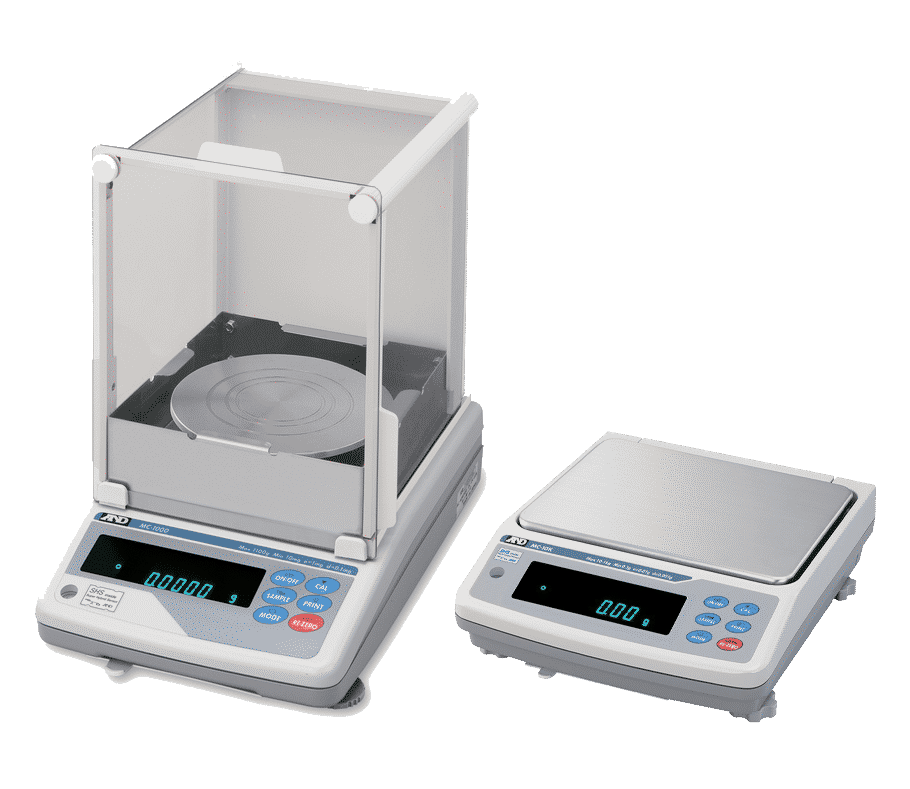
Mass Comparators
This piece of essential equipment for many settings offers coherent measurements of mass for weight verification purposes
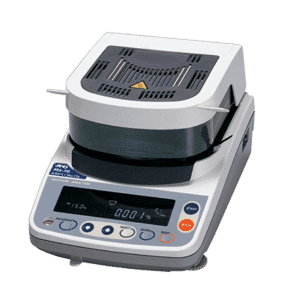
Moisture Balance
These balances help you measure the moisture in your samples
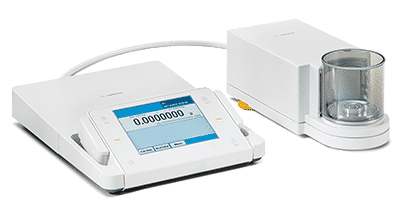
Micro Balances
These instruments are capable of measuring down the millionths of a gram
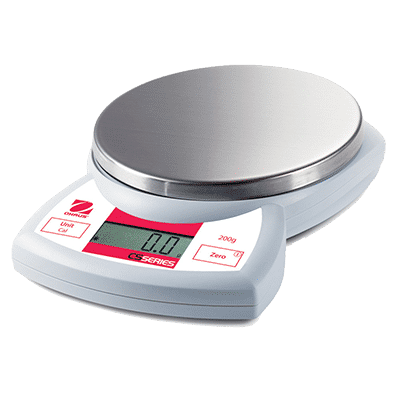
Compact Balances
Portable, pocket-sized, and economical solutions
Analytical Balances
Used in research and laboratory environments

Our Skills and Expertise
If you need precision in a tight space, check out our compact and micro balances. For extra precision in a wider range of applications, traditional mechanical balances are available as well. You will find the perfect option for your needs within our great selection. We have provided quality machines to schools and businesses around the country for years, and are ready to help you take precise measurements quickly and easily today!
We have carefully chosen the highest quality scales from top brands to ensure you always have the best technology on the market. With the highest level of precision and reliability, you will enjoy your equipment for years to come. From businesses to schools to labs, our scales will get the job done quickly and easily.
Mechanical balances
Mechanical balances weigh without electronics, so they are always ready to use: no batteries, no power cord and no warm-up. They are compact and light enough to store anywhere or carry between rooms, which makes them a common choice for classrooms, teaching labs and quick checks at the bench. We supply the Ohaus mechanical balance, the long-standing standard in this category.
Micro balances
Micro balances read to a millionth of a gram (0.001 mg, or 1 µg). A typical analytical balance reads to a tenth of a milligram (0.1 mg), so a micro balance resolves 100 times finer. Choose one when samples are very small and you need complete control over sample size, as in pharmaceutical, research and quality-control labs.
Because micro balances are so sensitive, placement matters: a stable bench, no drafts and a steady temperature. We set up and test every balance we sell, and ICS can calibrate it on a regular schedule.
Laboratory balance calibration and service
A balance can look fine and still be out of tolerance. Drafts, bench vibration, temperature swings and a shifted level all change what it reads. Instrument Calibration Solutions (ICS), a Brechbuhler Scales company, calibrates analytical and precision balances against traceable reference weights and issues digital certificates through ScaleSuite, available 24x7.
What we check on a balance
- Repeatability: the same weight placed several times, to see how tightly the balance repeats
- Eccentricity (corner load): the same weight placed off-center, to find a pan or load cell that reads differently by position
- Linearity and accuracy across the range, checked with certified weights
- Sensitivity and zero stability
- Level, pan and draft shield condition, and the bench and room conditions around the balance
Weights, tolerances and your quality system
Balances are checked with reference weights whose accuracy class suits the balance. Weight classes are defined in standards such as ASTM E617 and OIML R 111. Regulated labs often check repeatability and accuracy against limits set by their own procedures and by guidance such as USP General Chapters <41> and <1251>. If you have a minimum weight or acceptance limit in your procedures, tell us before the visit so we test against it.
Legal-for-trade balances
Balances used to sell by weight, such as jewelry, precious metals or pharmacy sales, are typically covered by NIST Handbook 44 and your state weights and measures program, and should be NTEP-approved for that use. A calibration certificate documents performance but does not replace a state inspection where one is required.
Signs your balance needs attention
- Readings drift or will not settle
- The same weight reads differently in different spots on the pan
- Results fail a routine check weight
- The balance was moved, dropped or overloaded
- An auditor has asked for current calibration records
Balance calibration FAQs
How often should a laboratory balance be calibrated?
Many labs calibrate annually, with routine daily or weekly checks in between using a check weight. Regulated environments and critical measurements may call for more frequent calibration.
What is an eccentricity test?
A test weight is placed on the center and then at several off-center positions on the pan. The readings should agree within tolerance. A difference suggests a mechanical or load cell problem or an uneven pan.
What is the difference between calibration and adjustment?
Calibration records how the balance reads compared to reference weights. Adjustment changes the balance so it reads correctly. A good calibration certificate records the as-found results before any adjustment.
Can you calibrate my balance on site?
Yes. Balances are usually calibrated where they are used so bench and room conditions are part of the test. Contact us with the make, model and readability of your balance.
Where can I find my balance certificates?
Certificates are available online at any time through ScaleSuite.
Looking for the full range of scale calibration? See our scale and balance calibration page, or read about check weighing and intrinsically safe scales.
OUR MOTTO: TAKE CARE OF THE CUSTOMER
CORPORATE OFFICE:
Brechbuhler Scales, Inc.
1424 Scale St SW
Canton, Ohio 44706
330-453-2424



Copyright ©2026, All Rights Reserved