


Blog
Industrial Scale Cybersecurity | Protect Connected Weighing Systems
Industrial Scale Cybersecurity: How to Protect Connected Weighing Systems and Scale Data For decades, industrial scales were relatively isolated pieces of equipment. A scale measured weight, an indicator displayed the result, and an operator recorded the information. Today, industrial weighing looks very different. Modern weighing systems can connect with software, PLCs, ERP platforms, inventory management…
Read MoreWeight Data & Manufacturing Traceability | Brechbuhler
Why Weight Data Is Becoming Critical to Manufacturing Traceability Walk through almost any manufacturing plant today and you’ll see how much gets recorded. Incoming materials are scanned at the dock, inventory lives in an ERP system, production steps are logged at each station, and finished goods are documented before they ship. All of it serves…
Read MoreWhat Happens During a Truck Scale Inspection? A Step-by-Step Guide
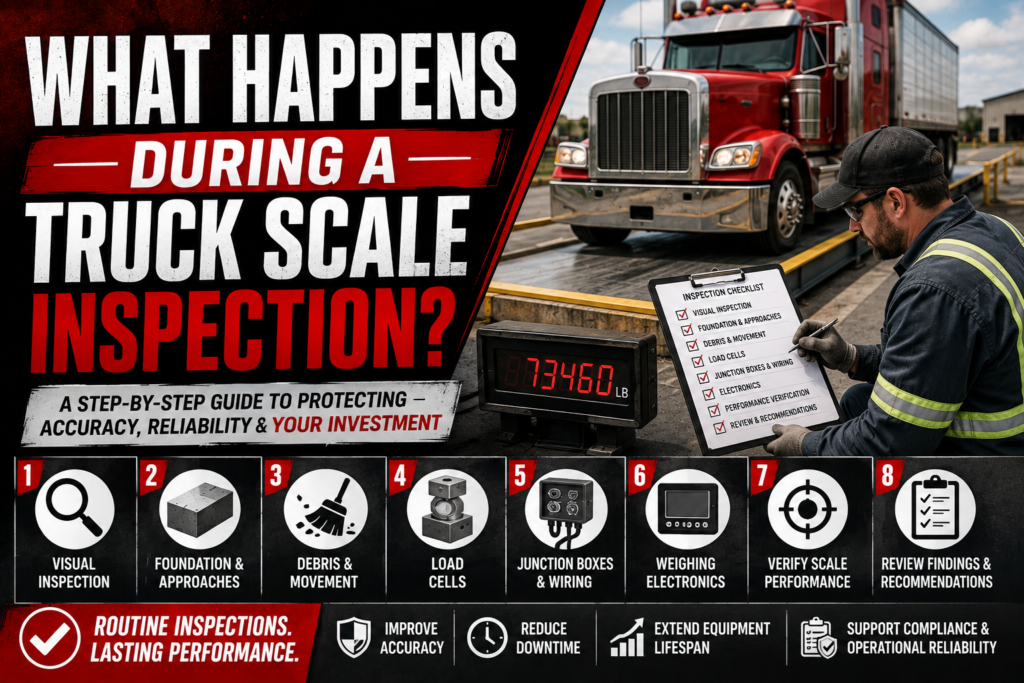
A thorough truck scale inspection keeps your operation running smoothly. Your truck scale works hard every day. Accurate weights on inbound materials, outbound shipments, and finished products all matter for efficient operations, customer confidence, and regulatory compliance. Because truck scales operate in demanding environments and experience constant heavy traffic, routine inspections are one of the…
Read MoreHow Often Should You Replace a Truck Scale? Repair vs. Rebuild vs. Replace
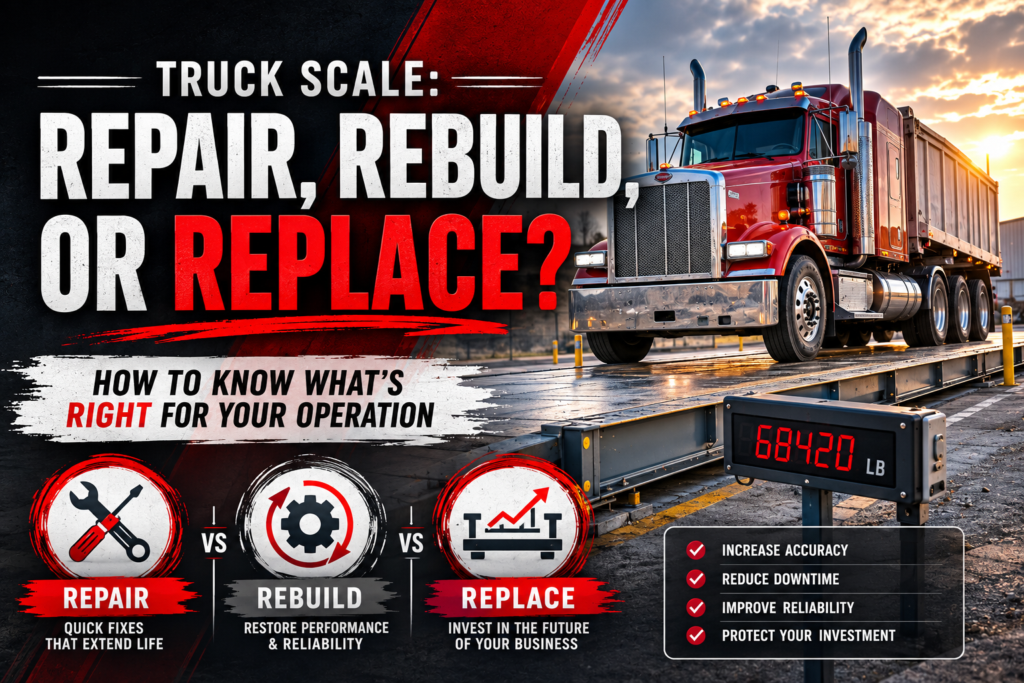
Knowing when to consider truck scale replacement is one of the most valuable things an operator can learn, since a truck scale is one of the most valuable assets in many industrial operations. Whether you’re weighing aggregate, grain, scrap, waste, chemicals, or freight, accurate weight data is essential for maintaining efficiency, ensuring compliance, and protecting…
Read MoreThe Hidden Costs of Manual Weighing
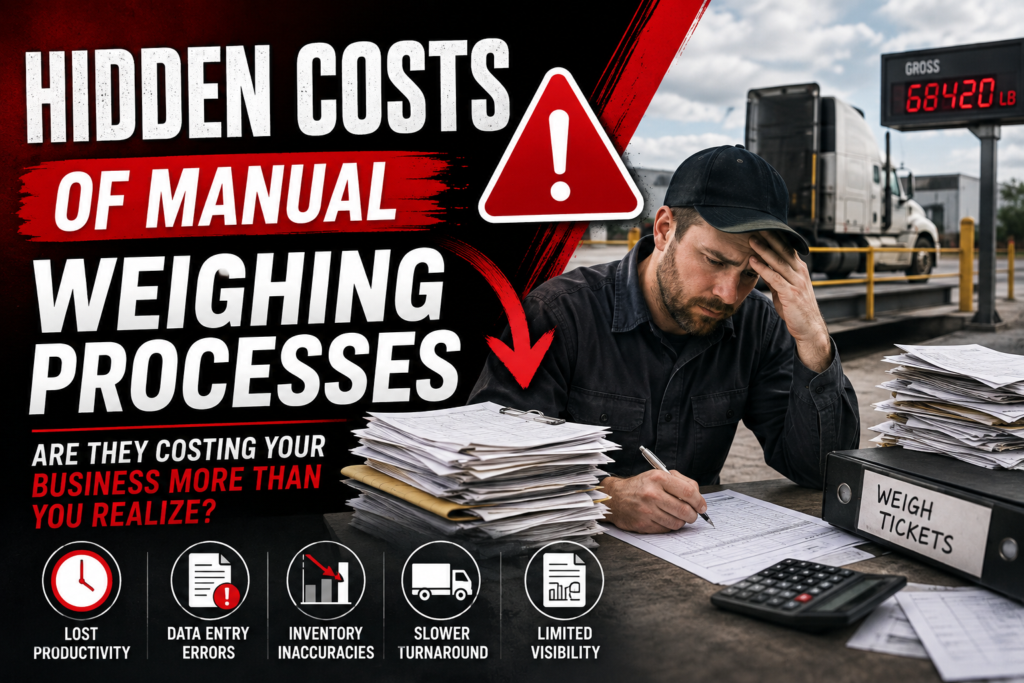
Manual weighing costs add up in ways that aren’t always obvious at first glance. Weighing looks like a simple step: a truck pulls onto a scale, a pallet gets weighed before shipment, raw materials get measured before production. When the number on the ticket looks right, it’s easy to assume the process is fine. But…
Read MoreAI in Industrial Weighing: How Smart Scale Data is Transforming Operations
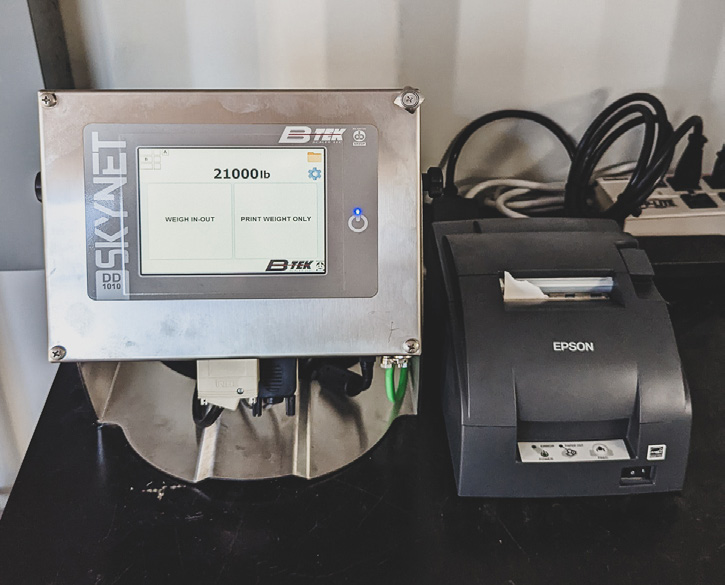
Artificial intelligence (AI) is no longer just a buzzword—it is becoming a valuable tool for manufacturers, warehouses, logistics companies, and industrial operations looking to improve efficiency and reduce costs. While many people associate AI with chatbots and automation software, its impact is extending into the world of industrial weighing. Modern weighing systems generate a wealth…
Read MoreLegal-for-Trade vs. Non-Legal-for-Trade Scales: What Businesses Need to Know
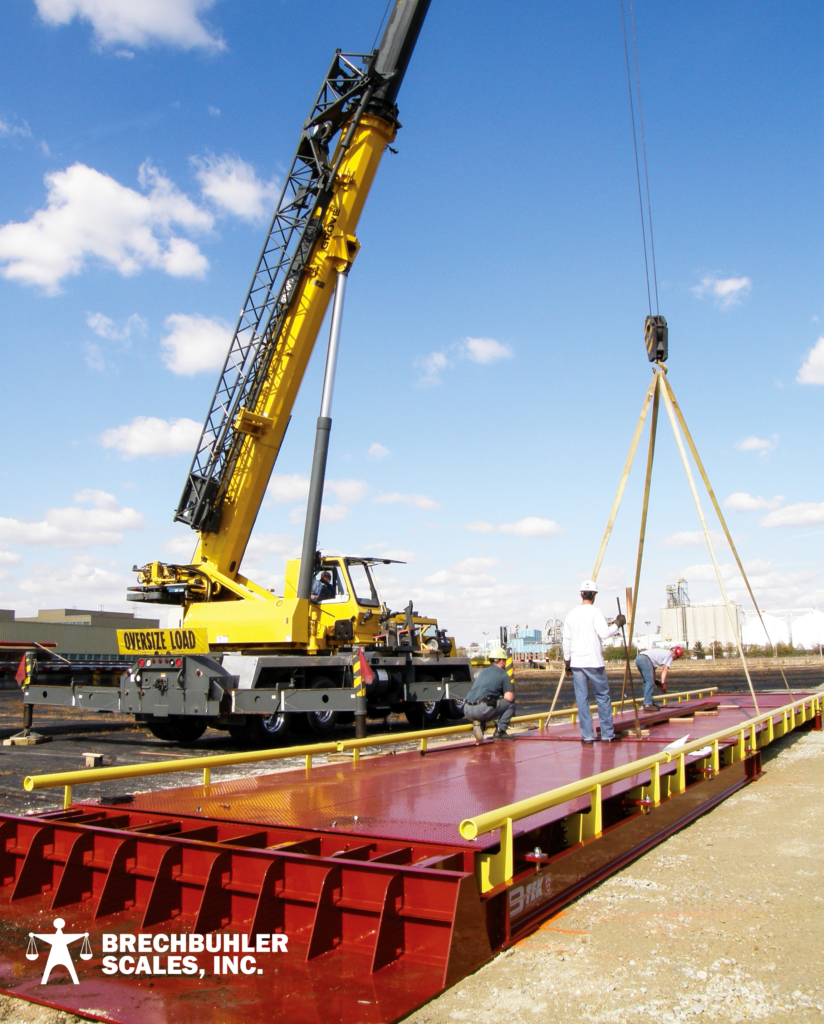
Understanding legal-for-trade scales is essential when purchasing a scale, since one of the most important questions to ask is whether your application requires one. Many businesses are surprised to learn that not all scales are created equal from a regulatory standpoint. Choosing the wrong type of scale can lead to compliance issues, failed inspections, customer…
Read MoreConnected Weighing Systems: Getting Rid of Manual Data Entry
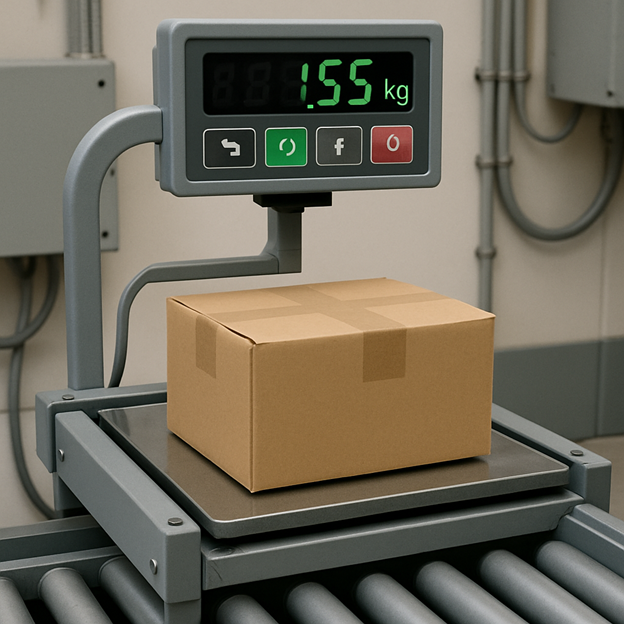
Connected weighing systems are changing how manufacturers track weight data. Manual weight recording has been standard in manufacturing for decades, and it mostly works, until it doesn’t. Data entry errors, duplicate records, delayed reporting, lost paperwork: these add up fast once you’re logging hundreds or thousands of transactions a week, and the time employees spend…
Read MoreWhat’s the Difference Between ISO 17025 Accredited Calibration and NIST Traceable Calibration in Cleveland’s Scrap, Steel, and Recycling Industries?
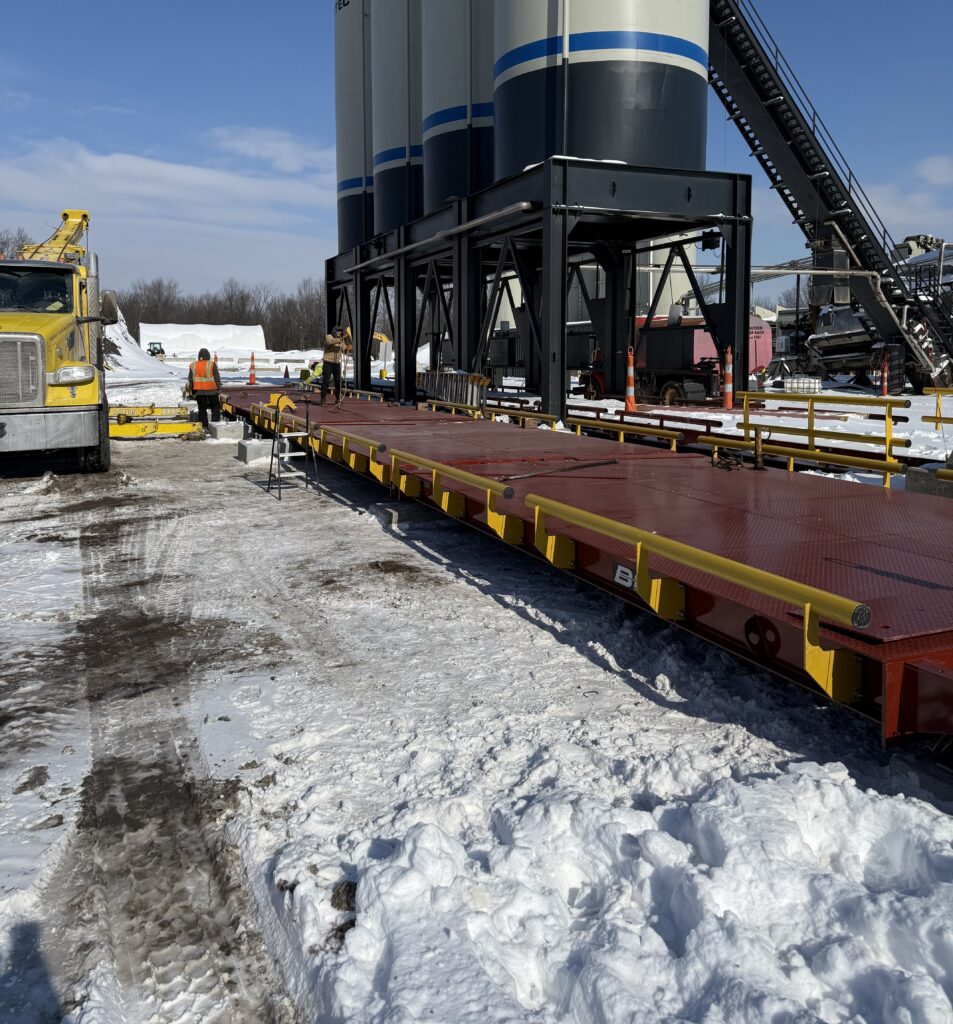
ISO 17025 vs NIST calibration is a common question for Cleveland’s scrap, steel, and recycling operations. In Cleveland’s industrial industry, where scrap yards, steel processors, recycling facilities, and landfills operate daily, accurate weighing isn’t optional. It directly impacts revenue, compliance, and customer trust. Truck scales are at the center of these operations. Whether you’re weighing…
Read MoreSteel vs. Concrete Truck Scales: Which One Is Right for Your Operation?
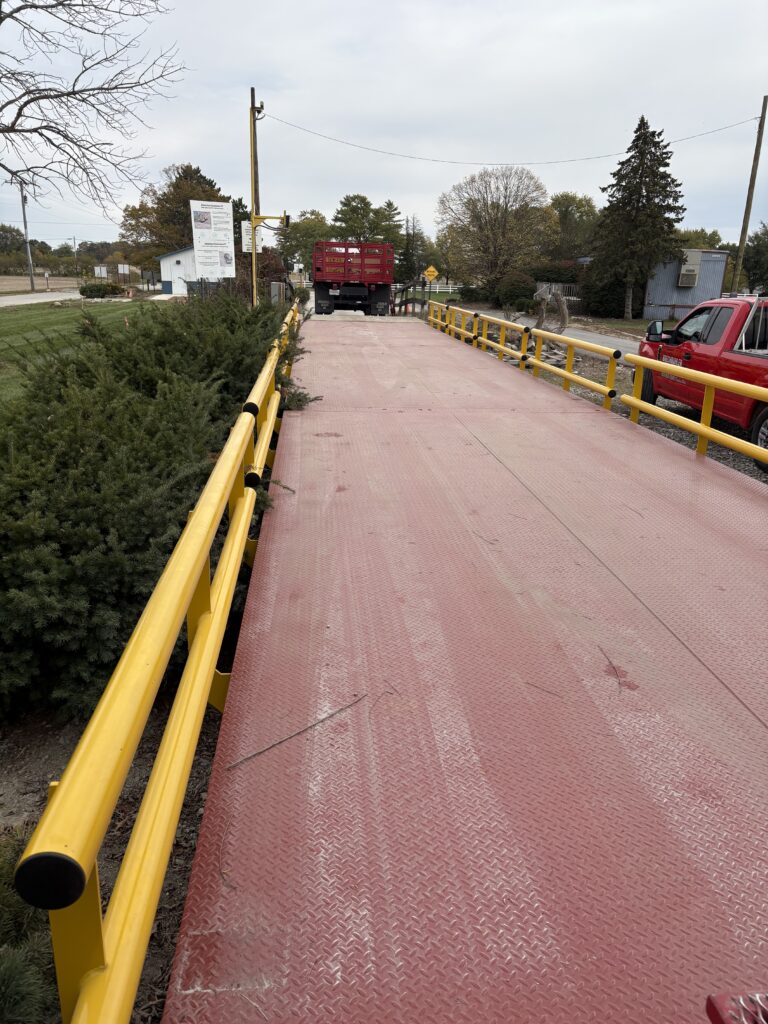
If you’re in the process of investing in a truck scale, one of the biggest decisions you’ll face is this: Steel or concrete? At first glance, it might seem like a simple choice—but this decision has a direct impact on your installation timeline, long-term maintenance, durability, and overall cost. The truth is, there’s no one-size-fits-all…
Read More