


The True Cost of Scale Downtime, and How to Avoid It
When a scale goes down, everything behind it slows down. Trucks back up, drivers get frustrated, and your team scrambles to figure out what’s wrong. What looked like a quick issue can turn into hours of lost productivity fast, and the cost of that downtime is more direct than most operations plan for.
Here’s what it actually costs, and what tends to prevent it.
What scale downtime really costs
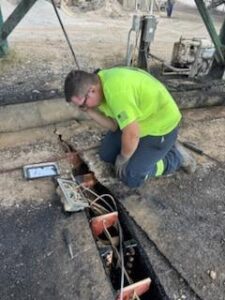
- Lost throughput means lost revenue. If your operation weighs trucks to move product, every minute your scale is down means trucks aren’t moving. That means delayed shipments, missed delivery windows, and fewer loads processed in a day. Depending on your industry, whether that’s aggregates, scrap, or logistics, that can add up to thousands of dollars per hour in lost revenue.
- Labor costs keep adding up. Even when the scale isn’t working, your team is still on the clock. Operators, drivers, and office staff end up waiting, troubleshooting, or working around the problem. Some teams fall back on manual tracking, reweighing loads later, or managing frustrated customers, none of which are efficient uses of paid time.
- Emergency repairs cost more than planned ones. When something breaks unexpectedly, you’re not just paying for the repair. You’re paying for emergency service calls, rush parts, and extended downtime while you wait for a fix. Reactive maintenance almost always costs more than proactive care.
Why scale downtime happens
Most downtime doesn’t come out of nowhere. Issues tend to build up over time and could often have been caught earlier. The most common causes we see include worn or failing load cells, water damage or poor drainage, foundation shifting or structural issues, electrical problems or lightning strikes, and a lack of regular calibration and inspection. Most failures give warning signs. The key is catching them early.
How to prevent costly downtime
- Schedule regular calibration and inspection. Routine calibration catches drift and wear before they cause a failure.
- Watch for early warning signs. Inconsistent readings, slow response, or physical wear are worth investigating before they become a breakdown.
- Protect the foundation and environment. Drainage issues and foundation shifting are preventable with the right upkeep.
- Build a preventative maintenance plan. A maintenance plan reduces unexpected breakdowns, extends the life of your equipment, and keeps your operation running consistently. Instead of reacting to problems, you stay ahead of them.
- Work with a service partner who knows your equipment. Not all scale service is the same. Having a team that understands your equipment, your industry, and your operation makes a real difference in minimizing downtime. At Brechbuhler, our field technicians work with operations across Ohio, Pennsylvania, and West Virginia and see firsthand how the right support keeps things running, even in demanding environments.
The bottom line
Scale downtime is a ripple effect that touches your whole operation, from lost revenue and labor inefficiencies to customer frustration and expensive repairs. Regular maintenance and a service partner who knows your equipment are the most reliable ways to keep it from happening. If it’s been a while since your scale was serviced, reach out to our team to get ahead of it.