


What to Expect During a Truck Scale Installation – Start to Finish
Investing in a truck scale is a big decision.
It’s not just about the equipment, it’s about planning, coordination, and making sure everything is set up correctly so your operation runs smoothly from day one.
One of the biggest questions we hear is:
“What does the installation process actually look like?”
If you’ve never gone through it before, it can feel like a lot of unknowns. So let’s walk through it step by step, so you know exactly what to expect, how to prepare, and how to avoid delays.
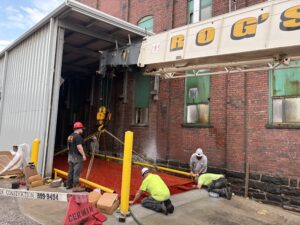
Step 1: Site Evaluation & Planning
Before anything is installed, the first step is understanding your site and your operation.
This typically includes:
- Evaluating traffic flow
- Determining scale location
- Reviewing drainage and environmental conditions
- Identifying space constraints
This step matters more than most people realize.
A well-planned site helps ensure:
- Efficient truck movement
- Accurate weighing
- Long-term durability of your scale
What to expect:
A walkthrough of your site and a conversation about how your operation runs day to day.
Step 2: Choosing the Right Scale & Configuration
Once the site is evaluated, the next step is selecting the right scale and setup.
This includes decisions like:
- Scale size and capacity
- Steel vs. concrete deck
- Above-ground vs. pit-mounted
- Digital vs. analog components
This is where experience really matters, because the wrong configuration can lead to issues down the road.
What to expect:
Recommendations based on your industry, traffic, and long-term goals.
Step 3: Site Preparation
Before the scale arrives, your site needs to be ready.
This is often the most time-intensive part of the process and can include:
- Excavation (for pit-mounted scales)
- Pouring concrete foundations
- Installing proper drainage
- Running electrical and conduit
Common delays happen here, usually due to:
- Weather conditions
- Concrete curing time
- Unexpected ground conditions
What to expect:
Coordination between your team, contractors, and your scale provider to make sure everything is prepared correctly.
Step 4: Scale Delivery & Installation
Once the site is ready, it’s time for the scale to be delivered and installed.
This process typically involves:
- Setting the scale modules in place
- Installing load cells and wiring
- Connecting the indicator and system components
For modular systems, installation can move fairly quickly once everything is prepped.
What to expect:
A focused installation window where everything comes together.
Step 5: Calibration & Testing
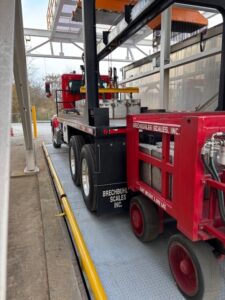
After installation, your scale isn’t ready to use just yet, it needs to be calibrated and tested.
This ensures:
- Accurate weight readings
- Compliance with regulations
- Proper system functionality
Test weights are used to verify accuracy, and adjustments are made as needed.
What to expect:
A thorough calibration process to make sure everything is working exactly as it should.
Step 6: Training & Go-Live
Once your scale is calibrated, it’s time to get your team up to speed.
This includes:
- How to operate the system
- Basic troubleshooting
- Understanding readings and reports
The goal is to make sure your team feels confident using the scale from day one.
What to expect:
Hands-on guidance and support as you start using your new system.
How Long Does Installation Take?
This is one of the most common questions, and the honest answer is:
It depends.
A typical timeline might look like:
- Site prep: several weeks (depending on complexity)
- Installation: 1–3 days
- Calibration & setup: 1–2 days
The biggest variable is almost always site preparation.
How to Avoid Delays
While some factors are out of your control (like weather), there are a few things you can do to keep your project on track:
- Plan ahead and start early
- Communicate clearly with all parties involved
- Make sure site prep is fully complete before installation
- Work with an experienced team that can anticipate challenges
A smooth installation starts with good preparation.
Why the Right Partner Makes All the Difference
Truck scale installation isn’t just about placing equipment, it’s about making sure everything works together smoothly.
From site planning to calibration, having the right partner helps:
- Prevent costly mistakes
- Avoid unnecessary delays
- Ensure long-term performance
At Brechbuhler, we’ve guided countless installations across different industries, and we know what it takes to get it right the first time.
Ready to Start Your Truck Scale Project?
Whether you’re just exploring options or ready to move forward, having a clear plan makes all the difference.
Our team can walk your site, help you choose the right system, and guide you through every step of the installation process.
Contact Brechbuhler today to start planning your truck scale installation.