


What Causes Truck Scale Errors? | Truck Scale Troubleshooting in Mansfield, OH
Understanding truck scale errors Mansfield operators run into starts with experience. Insights from 75+ Years of Experience from Our Expert Technicians
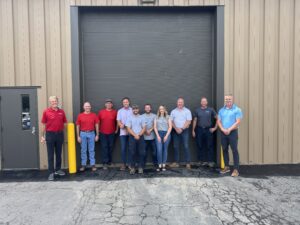
for truck scale accuracy, experience matters.
This guide was compiled by three of our most seasoned technicians, Ron, Steve, and Adam, who bring a combined 75+ years of hands-on experience in truck scale service, calibration, and troubleshooting. Drawing from real-world fieldwork across industries like logistics, agriculture, recycling, and manufacturing, they’ve seen firsthand what causes scales to fail. And how to fix them.
Truck scales are critical for accurate transactions, compliance, and operational efficiency. But over time, heavy use, environmental conditions, and wear can lead to errors.
Below are the most common causes of truck scale inaccuracies, straight from the experts who deal with them every day.
Quick Answer: What Causes Truck Scale Errors?
Truck scale errors are typically caused by:
- Debris buildup under the scale
- Load cell damage or failure
- Electrical or wiring problems
- Foundation or structural issues
- Calibration drift
- Environmental conditions
- Indicator or junction box failures
Routine maintenance and calibration are key to catching these issues early.
- Debris Buildup Under the Scale
Ron says: “If there’s one thing we see more than anything else, it’s debris under the scale. It’s simple. But it causes big problems.”
Mud, gravel, ice, trash, and product buildup can get trapped beneath the weighbridge. When that happens, the scale can’t move freely, which affects how weight is distributed to the load cells.
Signs to watch for:
- Scale not returning to zero
- Inconsistent readings
- Resistance when trucks drive across
Regular cleaning is one of the easiest ways to prevent inaccurate readings.
- Load Cell Damage or Failure
Adam explains: “Load cells are the heart of the scale. If one goes bad, your numbers are off, period.”
Load cells can fail due to:
- Overloading
- Water intrusion
- Corrosion
- Electrical issues
- Physical impact
Warning signs:
- Fluctuating or unstable weights
- Large differences between weighments
- Error messages on the indicator
A technician can test and replace faulty load cells to restore accuracy.
- Electrical or Wiring Problems
Steve believes: “A lot of scale issues aren’t mechanical, they’re electrical. And they can be tricky to track down without experience.”
Over time, wiring systems can degrade due to:
- Loose connections
- Damaged cables
- Moisture exposure
- Corrosion
Common symptoms:
- Intermittent readings
- Display errors
- Unstable weight signals
Proper troubleshooting is essential to prevent full system failure.
- Calibration Drift
Even when everything appears to be working correctly, scales can slowly lose accuracy over time.
Ron says: “Calibration drift happens gradually. You won’t notice it day to day. But over time, it adds up.”
Causes include:
- Heavy usage
- Environmental changes
- Component wear
Without routine calibration, small inaccuracies can turn into costly errors.
Professional calibration ensures your scale maintains accuracy and proper documentation, including traceability and measurement uncertainty.
- Foundation or Structural Issues
Adam notes: “If the foundation isn’t stable, nothing else matters. The whole system depends on it.”
Truck scales rely on a level, stable foundation. Issues like settling or cracking can create uneven weight distribution.
Potential causes:
- Ground movement
- Concrete deterioration
- Drainage problems
- High traffic stress
Routine inspections can help catch these issues early.
- Environmental Factors
Environmental conditions can significantly impact performance.
Steve explains: “Weather plays a bigger role than most people think, especially in colder climates.”
Common challenges include:
- Ice buildup
- Extreme temperatures
- Flooding or heavy rain
- Dirt accumulation
Seasonal maintenance is key to minimizing these effects.
- Indicator or Junction Box Problems
Truck scales rely on electronic components to process signals.
Ron says: “Sometimes the issue isn’t the scale. It’s what’s reading the scale.”
Problems can include:
- Moisture intrusion
- Circuit board failure
- Software glitches
- Loose internal wiring
Technicians can diagnose and repair these components during routine service.
Why Preventative Maintenance Matters
Many truck scale issues develop gradually and go unnoticed, until they start costing you money.
Regular maintenance helps ensure accuracy for:
- Freight billing
- Agricultural transactions
- Recycling operations
- Waste management
- Manufacturing logistics
Adam puts it simply: “Maintenance is always cheaper than downtime.”
Frequently Asked Questions
What is the most common cause of truck scale errors?
Debris buildup beneath the scale is one of the most frequent issues.
How often should a truck scale be calibrated?
At least once per year, though high-traffic operations may require more frequent calibration.
Can a damaged load cell cause inaccurate readings?
Yes, load cells are critical to measurement accuracy.
Can weather affect accuracy?
Absolutely. Ice, moisture, and temperature changes can all impact performance.
Truck Scale Service, Calibration & Repair
At Brechbuhler Scales, our experienced technicians, including Ron, Steve, and Adam, provide expert troubleshooting, calibration, and preventative maintenance services.
Whether you need:
- Troubleshooting
- Calibration
- Load cell replacement
- Preventative maintenance
Our team is ready to help keep your operations accurate and running smoothly.
Get Help With Truck Scale Errors in Mansfield
If you’re dealing with truck scale errors Mansfield facilities commonly report, our technicians can diagnose the cause. Contact us to schedule service, or learn about our truck scale services. Our troubleshooting follows calibration standards from the NIST Office of Weights and Measures.